Seasus developed WildEye, a passive eye-gaze tracking platform with the University of Malta, giving people with physical disabilities an alternative way to operate a computer using nothing but a standard webcam.
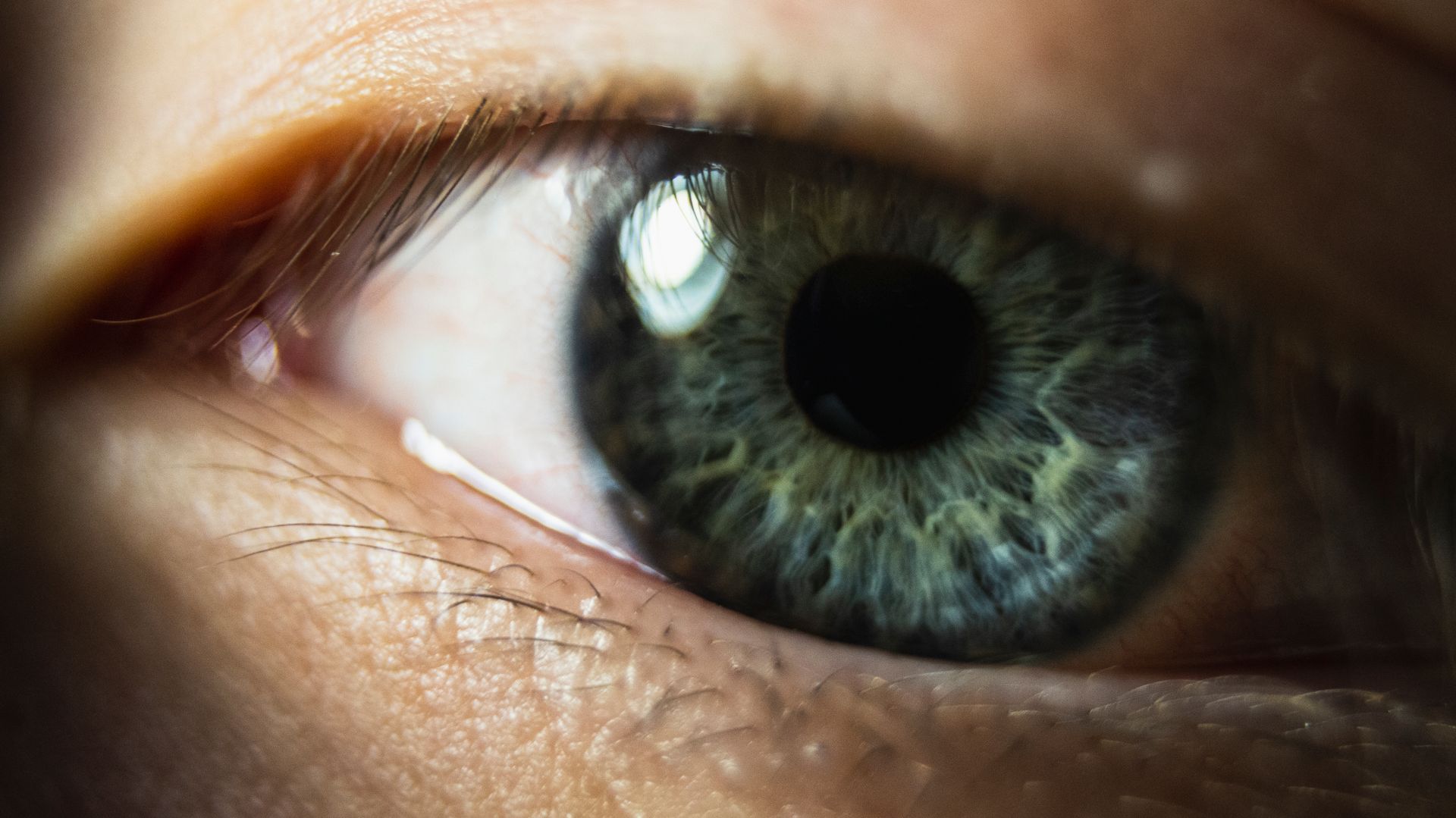
Eye movement has long been studied as an alternative communication channel for people who can't rely on a traditional keyboard or mouse, letting them issue commands by looking at icons on a screen. WildEye captures eye and head movement from a stream of webcam image frames and processes it to estimate gaze direction from eye and head pose, mapping that gaze onto a screen so the user can select and act on what they're looking at.
The harder problem the project set out to solve was making that work under everyday conditions rather than a controlled lab setup: handling natural head movement and non-rigid changes in facial expression, and reducing or removing the calibration step that passive eye-gaze systems typically require, so interaction stays as close to natural as possible.
WildEye was financed by the Malta Council for Science & Technology through the FUSION: Technology Development Programme, and built as a collaboration between Seasus and the University of Malta, bringing together Seasus's software engineering with the University's research into gaze estimation and computer vision.