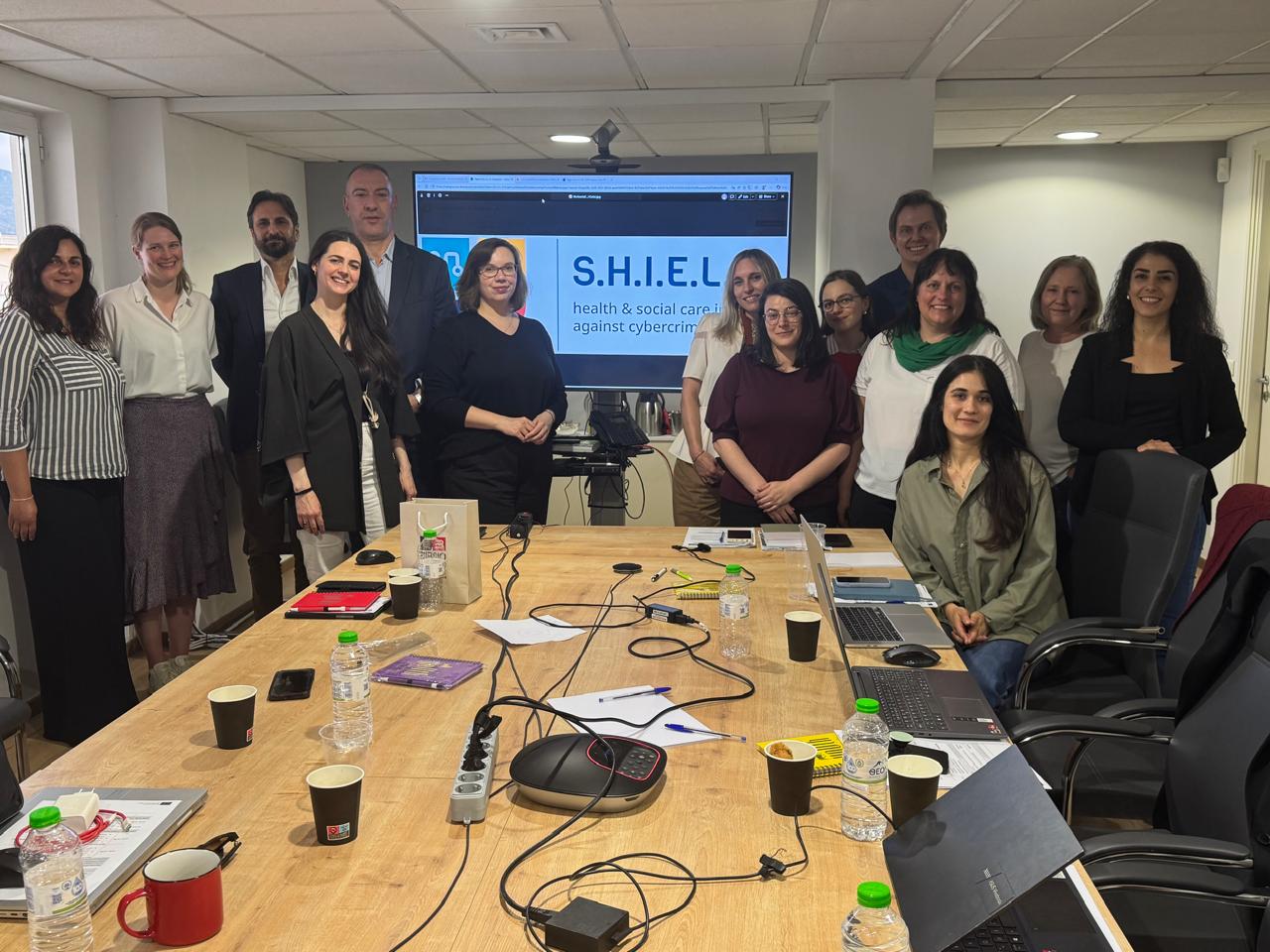
VOLOS, GREECE – The S.H.I.E.L.D. project consortium recently gathered in the coastal city of Volos for a productive two-day plenary meeting hosted by the University of Thessaly (UTH). From 22–23 April, partners from across Europe met to discuss the project's management and accelerate the development of our innovative cybersecurity curriculum.
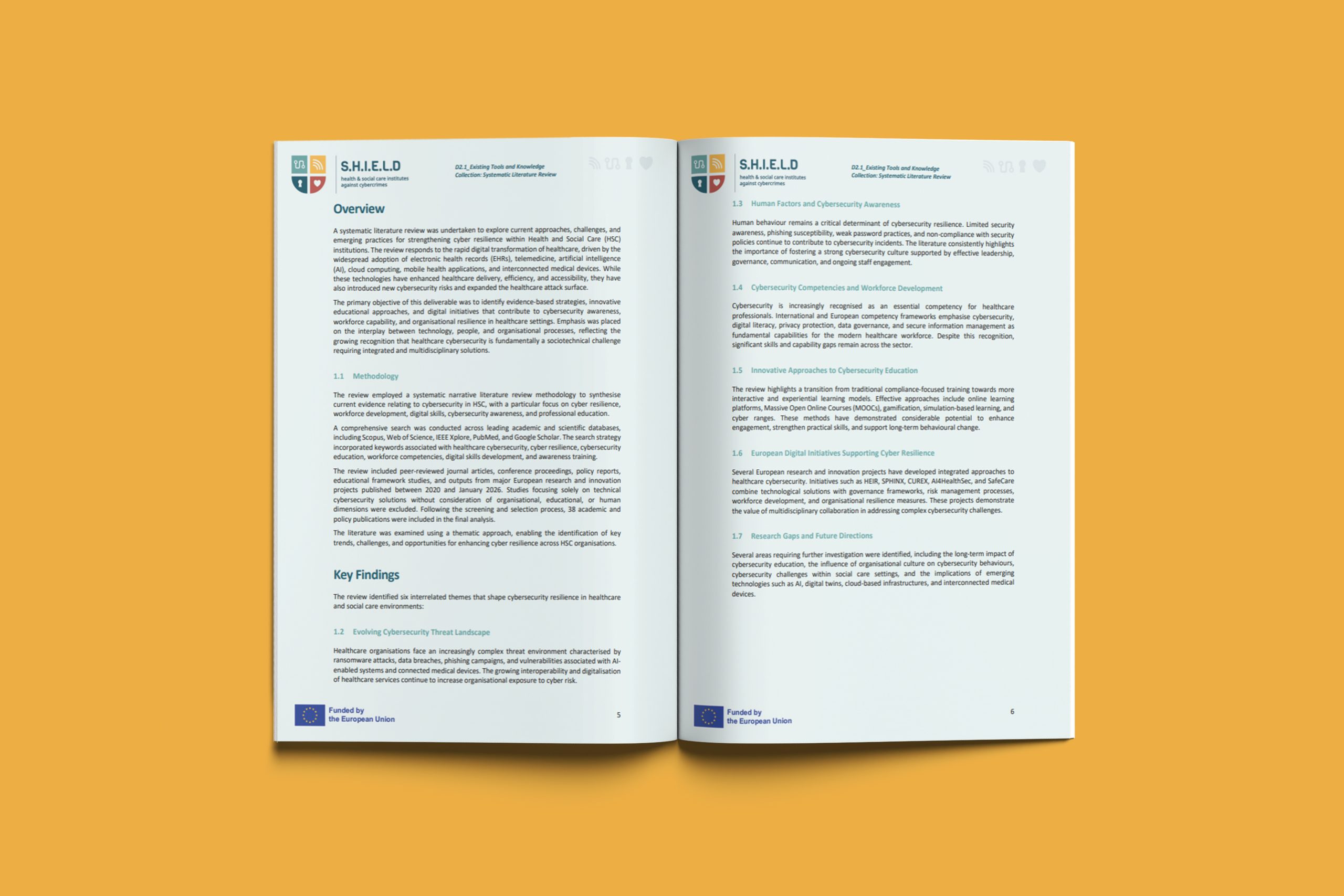
Identifying the Gaps: one of the primary focuses of the Volos meeting was the presentation of findings from our recent research phase. After conducting a comprehensive literature review and engaging with over 90 participants through assessment questionnaires and living lab interviews, the consortium has identified critical "learning deserts" in the current digital landscape.
While general cybersecurity awareness is growing, the research highlighted a significant lack of practical training regarding GDPR compliance, secure social media practices, and the specific needs of telemedicine. These findings are now being translated into all partner languages to ensure our training materials are tailored to the actual needs of European professionals.
A New Standard for Training: 3 ECTS Credits. A major milestone was reached in the design of the SHIELD course. The consortium has officially decided that the training programme will be accredited with 3 ECTS credits, ensuring that the skills acquired by participants are recognised across European higher education and professional sectors. The course will adopt a hybrid model: 30% in-person learning fostering collaboration and hands-on workshops, and 70% online self-training utilising the upcoming e-platform for flexible, self-paced study.
Gamification and Technical Innovation: the meeting also marked the "green light" for the technical development phase. Led by Seasus, the project will soon launch its Moodle-based open platform. Beyond traditional coursework, S.H.I.E.L.D. is also breaking new ground with a dedicated mobile app. Moving away from simple content replication, the app will offer a unique, gamified simulation environment, allowing users to test their responses to simulated cyber-attacks in real-time and bridging the gap between theoretical knowledge and practical application.
Looking Ahead: as the project looks towards the next half of the year, partners will develop the specific content for the core thematic modules. The consortium will meet again online in May to finalise module assignments, with the next physical meeting scheduled for Malta in November.