Seasus has delivered an AI-powered crop classification model for the Agriculture and Rural Payments Agency (ARPA), the body under the Ministry for Agriculture, Fisheries and Animal Rights (MAFA) responsible for paying EU and national aid to qualifying farmers.
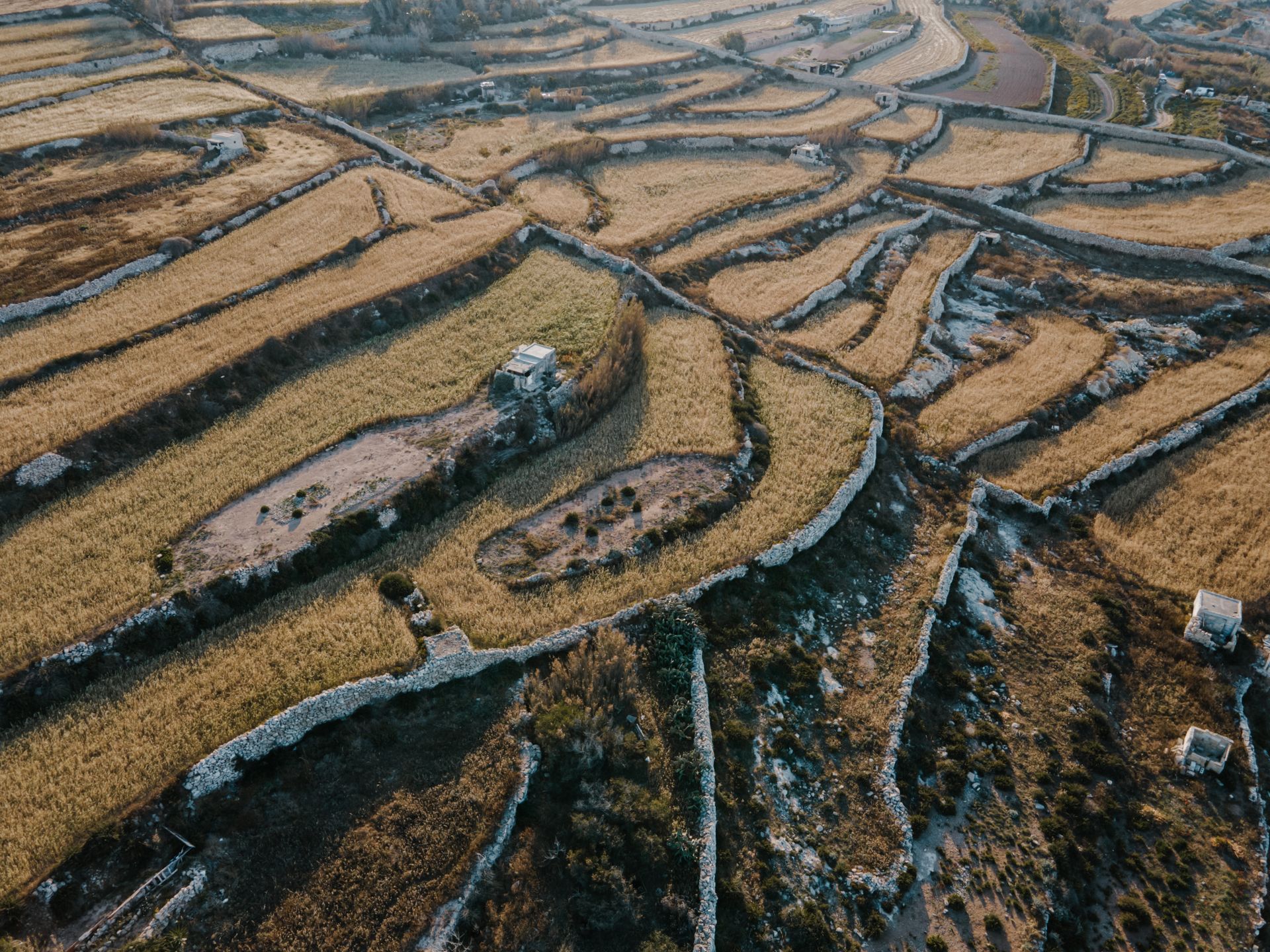
Under the EU's Common Agricultural Policy, Maltese farmers submit geo-tagged photos of their fields through the BiedjaCam mobile app as evidence of cultivation, supporting their eligibility for aid schemes and serving as proof in the event of storm damage or other force-majeure claims. With roughly eight interventions requiring this kind of photographic evidence, the result is thousands of submissions a year, all of which had to be reviewed by hand before any payment could be processed.
Seasus was engaged to automate that review. Working from a dataset of 15,000 annotated images spanning thirteen classes (from bare soil, fallow and abandoned land to specific crops such as broad beans, sulla, potatoes, tomatoes, wheat, vines, olives and fruit trees, as well as glasshouses), we built the data pre-processing pipeline, trained the classification model and tuned it over successive training cycles to meet ARPA's 85% accuracy threshold.
For every photo, the model identifies the crop or land class present, estimates the percentage of the frame it covers, and attaches a confidence score to the classification. Results are written directly into ARPA's Integrated Administration and Control System (IACS) through a dedicated API, and a purpose-built interface lets ARPA staff review each result, overlay the detected segments on the original photo, and flag misclassifications, observations that feed back into retraining the model over time.
The engagement also included a twelve-month maintenance and support agreement, covering incident response, software updates and ongoing enhancements, so the model keeps pace as new crop categories and support measures are introduced in future years.